redsvillas field notes
Historical film projects are often discussed through their setting or their stars, but a filmmaker’s research process can explain more about a project’s texture than either shortcut. The Hollywood Reporter reported that Michaël R. Roskam’s TIFF-bound period comedy thriller ‘Le Faux Soir’ dramatizes the 1943 replacement of a Nazi-controlled Belgian newspaper with a satirical counterfeit edition, a story the director approached through the mechanics of printing as much as through plot.
First, the verified record: The Hollywood Reporter described ‘Le Faux Soir’ as a period comedy thriller about the historical counterfeit newspaper and identified it as having its world premiere at TIFF, with Goodfellas handling worldwide sales.
The wider context is equally important: Roskam told the publication that the creative team framed the project as a heist-like story and that the cast includes François Damiens, Arieh Worthalter, Bouli Lanners, and Mélanie Thierry.
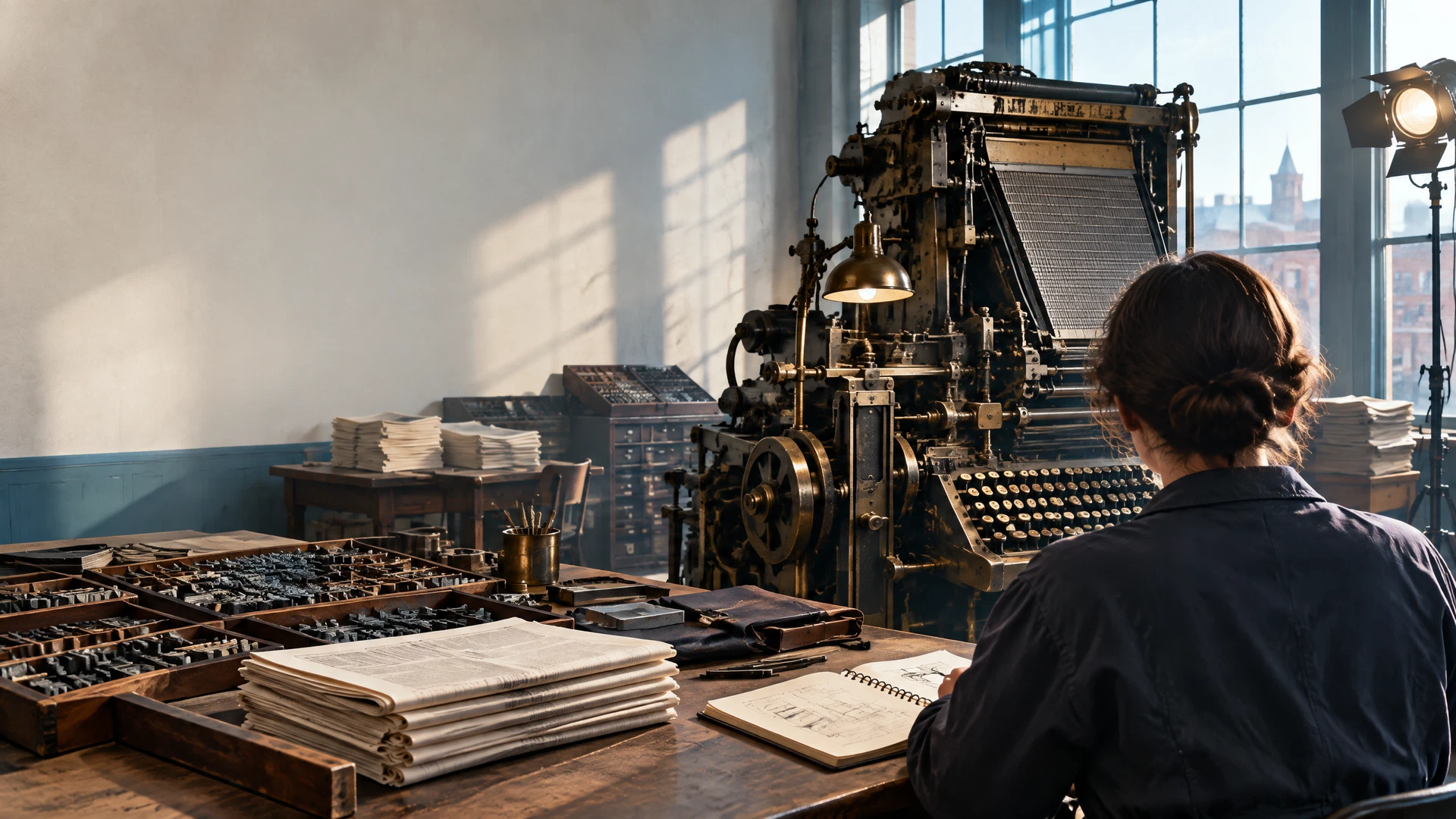
A third point keeps the reporting grounded: The reported interview says the director visited museums and consulted people familiar with period printing while researching linotype machines and the practical process behind a 1940s newspaper.
The craft takeaway is not that research automatically produces historical authenticity. Rather, material research gives a film concrete decisions to work with: how letters are set, how a press sounds, how a publication moves through a city, and what risks its makers accept. Those details can turn a historical premise into scenes with physical stakes. For a publication audience, the value lies in seeing how production research becomes part of a film’s narrative language.
The confirmed record is a TIFF premiere, an identified historical source story, a named creative team, and Roskam’s reported attention to printing technology. Readers can use that record to ask a broader craft question: when a film revisits a historical media event, which tools, processes, and habits need to be understood before they can become believable cinema?
Research and transparency note: this piece is labelled “Source-Guided Profile.” Its source context is The Hollywood Reporter — Michaël R. Roskam on ‘Le Faux Soir’, dated 13 September 2026. This is not a redsvillas interview. It is a source-guided profile built from The Hollywood Reporter’s published interview with director Michaël R. Roskam. Reported production, cast, historical, and festival details are attributed to that source; the emphasis on craft is redsvillas analysis.
redsvillas keeps its reader experience internal. Source material informs this article, but this page does not send readers to third-party sites; it distinguishes reported facts from redsvillas analysis in the article itself.